
How Medical Tourism in Asia is Transforming American Healthcare
Explore how medical tourism in Asia provides Americans with high-quality treatments at affordable prices, saving up to 80% on healthcare costs.
Written by
Vayby Editorial Team
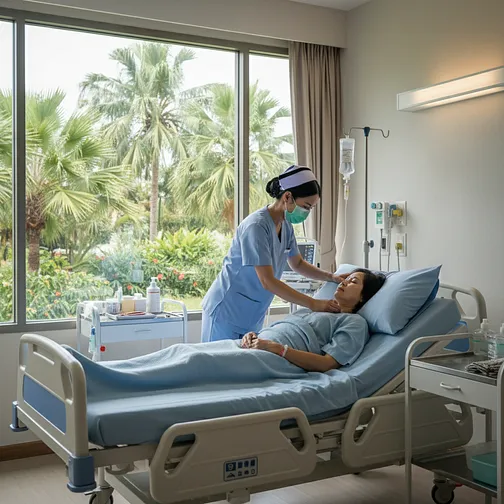
Medical tourism in Asia saves Americans an average of 60–80% on healthcare costs compared to U.S. prices, while often delivering care at internationally accredited facilities with shorter wait times. Countries like Thailand, India, South Korea, and Malaysia have built world-class medical infrastructure specifically designed to serve international patients — making Asia the dominant destination for Americans seeking affordable, high-quality treatment abroad.
Why Are Americans Turning to Asia for Healthcare?
The reasons are straightforward: healthcare in the United States remains among the most expensive in the world, and millions of Americans — whether uninsured, underinsured, or simply priced out of elective procedures — are looking for alternatives. Asia has stepped into that gap with remarkable effectiveness.
For many patients, the decision to travel abroad for care isn't driven by desperation. It's driven by math. A hip replacement that costs $40,000 or more in the U.S. can be performed at a Joint Commission International (JCI)-accredited hospital in Thailand for $12,000–$15,000, including the implant, hospital stay, and post-operative care. Dental implants that run $3,000–$5,000 per tooth in American clinics can be completed in Vietnam or the Philippines for $700–$1,200.
But cost is only part of the story. Many Americans who travel to Asia for medical care report being genuinely surprised by the quality of their experience — attentive nursing staff, private hospital rooms, English-speaking physicians trained in the U.S. or Europe, and minimal wait times for procedures that might take months to schedule at home.
Key drivers pushing Americans toward Asian medical travel:
- Rising U.S. healthcare costs and insurance gaps
- Long wait times for specialists and elective procedures
- Access to treatments not approved or available in the U.S.
- The ability to combine recovery with travel
- Growing availability of internationally accredited hospitals
Which Asian Countries Are Leading in Medical Tourism?
Not all medical tourism destinations are created equal. Several countries in Asia have made deliberate, government-backed investments in healthcare infrastructure specifically to attract international patients.
Thailand
Thailand is arguably the most established medical tourism destination in Asia. Bangkok's Bumrungrad International Hospital alone treats over 500,000 international patients annually, including tens of thousands of Americans. The country has dozens of JCI-accredited hospitals, and its medical hubs — Bangkok, Chiang Mai, and Phuket — offer everything from cardiac surgery and orthopedics to cosmetic procedures and fertility treatments.
Thailand's appeal is reinforced by its well-developed tourism infrastructure. Patients can recover on tropical beaches or in modern urban hotels while accessing world-class follow-up care. The cost of living is low, meaning even extended stays for recovery are financially manageable.
India
India has become a global leader in complex, high-acuity procedures — cardiac surgery, oncology, organ transplants, and neurosurgery. Hospitals like Apollo, Fortis, and Narayana Health have built international reputations for technical excellence at a fraction of Western prices. A coronary artery bypass graft (CABG) that costs $100,000+ in the U.S. can be performed at a top-tier Indian hospital for $7,000–$10,000.
India's medical professionals are also among the most internationally credentialed in the world. A significant proportion of physicians at major Indian hospitals completed postgraduate training in the U.S., U.K., or Australia.
South Korea
South Korea has carved out a niche in cosmetic and reconstructive surgery, dermatology, and dental care. Seoul's Gangnam district is internationally famous for its concentration of plastic surgery clinics, and the country has invested heavily in medical technology and minimally invasive techniques. South Korea is also a leader in cancer screening programs and preventive health checkups, which attract health-conscious international visitors.
Malaysia and Singapore
Malaysia offers strong value for money, with internationally accredited hospitals in Kuala Lumpur and Penang that serve a large English-speaking patient base. Singapore, while more expensive than its neighbors, is often chosen by patients seeking the absolute highest standard of care in Asia — with infrastructure and regulatory standards comparable to Western Europe.
What Procedures Do Americans Most Commonly Seek in Asia?
Americans traveling to Asia for healthcare tend to cluster around a specific set of procedures where the cost differential is most dramatic and the quality of care is well-documented.
Dental Care
Dental tourism is one of the fastest-growing segments of medical travel, and Asia is at the center of it. Americans without dental insurance — or with coverage that caps at $1,500–$2,000 per year — find that a single trip to Thailand, Vietnam, or the Philippines can address years of deferred dental work at a fraction of the domestic cost.
Full-mouth dental implants that cost $50,000–$80,000 in the U.S. can be completed in Bangkok or Ho Chi Minh City for $10,000–$20,000. Porcelain veneers, crowns, and Invisalign-style aligners are similarly discounted. Many patients report that the quality of materials and technique is indistinguishable from — or superior to — what they received at home.
Orthopedic Surgery
Knee and hip replacements, spinal procedures, and sports injury repairs are among the most common orthopedic procedures sought abroad. The implants used at top-tier Asian hospitals are often the same brands used in the U.S. (Zimmer Biomet, Stryker, DePuy), and the surgical teams are frequently trained at international institutions.
Cardiac Procedures
India leads in this category. Patients requiring valve replacements, bypass surgeries, or angioplasties have access to cardiac centers that handle extremely high volumes of procedures — which, in cardiac surgery, generally correlates with better outcomes.
Cosmetic and Reconstructive Surgery
South Korea and Thailand are both major destinations for cosmetic procedures. Rhinoplasty, blepharoplasty (eyelid surgery), liposuction, and breast augmentation are performed at significantly lower costs, often by surgeons with international training and extensive portfolios.
Fertility Treatments
IVF cycles in the U.S. average $15,000–$20,000 per round, often without insurance coverage. In Thailand or India, the same treatment at a reputable clinic can cost $3,000–$6,000 per cycle, making multiple attempts financially feasible for couples who have exhausted their options at home.
How Much Can Americans Really Save?
Understanding the actual savings requires looking beyond the procedure cost alone. When patients calculate their total trip cost — including flights, accommodation, food, and incidentals — the savings often remain substantial.
For a realistic example: an American patient traveling from Los Angeles to Bangkok for a knee replacement might spend:
- Procedure cost: $8,000–$12,000 (vs. $30,000–$45,000 in the U.S.)
- Round-trip airfare: $900–$1,400
- Hotel/recovery accommodation (14 nights): $700–$1,200
- Meals and incidentals: $400–$600
- Total: approximately $10,000–$15,200
Even at the high end of that estimate, the patient saves $15,000–$30,000 compared to the U.S. cost. For more complex procedures, the savings are proportionally larger.
For a deeper breakdown of how expenses compare across different treatments and destinations, reviewing comprehensive medical tourism costs data can help patients build a realistic budget before committing to travel.
Is Medical Tourism in Asia Safe? What Patients Need to Know
Safety is the most important question any patient should ask before traveling abroad for care. The honest answer is: it depends entirely on where you go and how carefully you research your options.
Accreditation Is Non-Negotiable
The gold standard for international hospital accreditation is Joint Commission International (JCI) certification. JCI-accredited hospitals in Asia are evaluated against the same rigorous standards applied to top U.S. hospitals, covering everything from infection control and surgical protocols to patient rights and medication safety. Before booking any procedure, patients should verify that their chosen facility holds current JCI accreditation — or equivalent certification from recognized bodies like the International Society for Quality in Health Care (ISQua).
Thailand, India, Singapore, and South Korea all have significant numbers of JCI-accredited hospitals. Malaysia's hospitals are accredited by the Malaysian Society for Quality in Health (MSQH), which operates to comparable international standards.
Vetting Your Surgeon
Accreditation covers the institution, but patients should also research their individual surgeon's credentials. Look for:
- Medical degree from a recognized university
- Postgraduate training or fellowship (ideally at an internationally recognized institution)
- Board certification in the relevant specialty
- Volume of procedures performed annually (higher volume generally correlates with better outcomes for complex procedures)
- Patient reviews and, where possible, before/after documentation
Planning for Complications and Follow-Up Care
One of the most underappreciated risks in medical tourism isn't the surgery itself — it's the follow-up. Patients need a realistic plan for:
- Post-operative care before flying home (most surgeons recommend waiting 7–14 days minimum after major surgery before long-haul travel)
- Managing complications after returning to the U.S. (having a domestic physician briefed on your procedure and ready to provide follow-up care)
- Medical records in English (reputable international hospitals routinely provide complete records in English)
Travel Insurance and Medical Evacuation Coverage
Standard travel insurance often excludes elective medical procedures. Patients should specifically seek policies that cover medical complications arising from planned procedures abroad, as well as medical evacuation coverage in the event of a serious complication requiring transfer to a higher level of care.
How Do You Actually Plan a Medical Trip to Asia?
For first-time medical travelers, the logistics can feel overwhelming. Breaking the process into clear steps makes it manageable.
1. Define your medical needs precisely. Get a diagnosis and treatment recommendation from a U.S. physician first. Having a clear diagnosis allows you to compare apples to apples when requesting quotes from international hospitals.
2. Research accredited facilities. Use the JCI directory (available on the Joint Commission International website) to identify accredited hospitals in your target destination. Shortlist two or three facilities.
3. Request detailed quotes. Contact hospitals directly through their international patient departments. A reputable hospital will provide itemized quotes covering the procedure, anesthesia, hospital stay, implants or materials, and follow-up consultations.
4. Verify credentials. Confirm the hospital's accreditation status and research your specific surgeon's background.
5. Plan your timeline. Build in adequate recovery time before flying home. For major procedures, plan on a minimum of 10–14 days in-country, often longer.
6. Arrange follow-up care at home. Brief your U.S.-based primary care physician or specialist before you travel so they are prepared to manage your follow-up care on return.
7. Secure appropriate insurance. Arrange travel insurance that specifically covers medical complications from planned procedures.
Platforms like Vayby simplify this process by connecting patients directly with vetted international clinics, allowing for transparent comparisons of facilities, credentials, and pricing in one place.
Frequently Asked Questions
Is it safe to have major surgery in Asia?
Yes — provided you choose an internationally accredited facility and a credentialed surgeon. Hospitals with JCI accreditation in Thailand, India, South Korea, Singapore, and Malaysia operate to rigorous international standards. The key risks in medical tourism are not typically related to the quality of care at top-tier facilities, but to inadequate planning for follow-up care and complications after returning home. Thorough research, choosing accredited institutions, and arranging domestic follow-up care before you travel significantly mitigates these risks.
How much does medical tourism in Asia actually cost compared to the U.S.?
Savings typically range from 60–80% of U.S. prices for comparable procedures at accredited facilities. A knee replacement averaging $35,000 in the U.S. costs $8,000–$12,000 in Thailand. A dental implant running $4,000 in the U.S. costs $700–$1,200 in Vietnam or the Philippines. Even after factoring in flights and accommodation, most patients save tens of thousands of dollars on major procedures.
Will my U.S. health insurance cover treatment in Asia?
Most standard U.S. health insurance plans do not cover elective procedures performed abroad. Some self-funded employer plans and certain supplemental insurance products do offer international coverage — it's worth checking your policy carefully. For procedures not covered by insurance domestically (such as many dental, cosmetic, or fertility treatments), this limitation is less relevant. Patients should also investigate whether any complications treated upon return to the U.S. would be covered by their domestic insurance.
Conclusion: Actionable Takeaways for Patients Considering Medical Travel to Asia
Medical tourism in Asia represents a genuine, evidence-backed option for Americans facing high healthcare costs, long wait times, or limited access to specific treatments. The key is approaching it with the same rigor you would apply to any major healthcare decision.
Before you travel:
- Get a clear diagnosis from a U.S. physician
- Research only JCI-accredited or equivalently certified facilities
- Request itemized quotes and compare at least two or three facilities
- Verify your surgeon's individual credentials and procedure volume
- Arrange follow-up care with a domestic physician before departing
Financially:
- Calculate your total trip cost, not just the procedure fee
- Review comprehensive medical tourism costs data to set realistic expectations
- Secure travel insurance that specifically covers medical complications from planned procedures
Practically:
- Build adequate recovery time into your itinerary — rushing home too soon is one of the most common mistakes medical travelers make
- Obtain complete medical records in English before leaving the hospital
- Maintain realistic expectations: outcomes depend on the procedure, your overall health, and post-operative compliance, regardless of where surgery is performed
For many Americans, a well-planned trip to Bangkok, Mumbai, Seoul, or Kuala Lumpur isn't just a cost-saving measure — it's a pathway to care they might otherwise never access. Done carefully, medical tourism in Asia can be both safe and genuinely life-changing.
Related Articles

Delhi's New Medical Tourism Digital Portal: A Game Changer
Explore Delhi's new digital portal for medical tourists, streamlining access to quality healthcare and enhancing the patient experience.
Read More
An American Family's Journey: Luxury Medical Care in Turkey
Explore how an American family found luxury medical care in Turkey for just $1,330, transforming their healthcare experience.
Read More